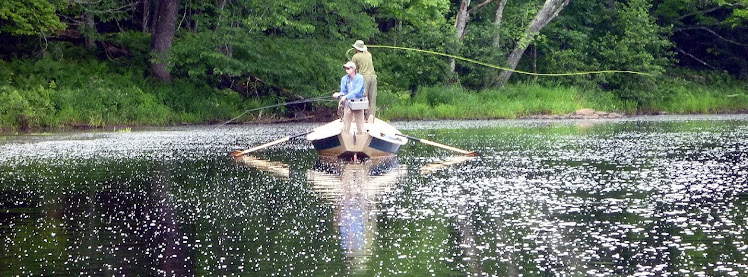
Salmon Camp, a fly fishing only camp, has been luring
anglers to Michigan for years during 1 or 2 consecutive, long weekends from
late September into early October.
Anglers fish the Pere Marquette River, & primarily target king (AKA Chinook, tyee, Pacific) salmon. John and Rhonda Bueter
are hosts of Salmon Camp and proprietors of Cloud 9 Resort, located in Baldwin,
MI. The actual camp, located at 3200 S.
James Rd, is about 1 mile from the resort with most anglers electing to camp on
the grounds and some renting cabins back at the resort.
This post was
written to help the angler plan for and know what to expect at Salmon
Camp. It is a blast! John’s mantra is, “This is too much fun to
keep to ourselves!” To get a better idea of the social aspect of Bueter’s camp,
please see my post from fall, 2012.
 The People
Friendly folks
from all walks of life attend Salmon Camp.
Generally anglers, & some spouses and older children attend. Seasoned fly fishers and first-time anglers
are welcome at camp. 4-footed friends must
remain at home.
On Land
The camp itself is
home to the 24-hour campfire – the place of tales, toasts, and occasional late
night/early morning antics. Mostly tents and a few campers dot the
property. In the large trailer where
most food prep occurs, ladies have access to the bathroom with a shower. Men have access to a shower house. Running along an exterior wall of the shower
house, there is a communal spot to hang waders.
There are port-a-potties on site.
 Generally, 2
meals are provided: a large, Friday
evening supper and a big Saturday breakfast, both supplied by Rhonda and her
crew. Coffee and leftovers are the norm
as well. The option to purchase a large
supper for Saturday is frequently offered.
Under the large, covered outdoor area, hosts welcome anglers, tales are
told, meals are enjoyed, flies are tied and John provides lessons in knot tying
and leader set-up. John also coaches
those new to salmon fishing and/or fly fishing on how to set the hook and fight
a salmon. He explains yearly why the
bulk of Salmon Campers head to the Pere Marquette River at night instead of in the
day to fish.
Generally, 2
meals are provided: a large, Friday
evening supper and a big Saturday breakfast, both supplied by Rhonda and her
crew. Coffee and leftovers are the norm
as well. The option to purchase a large
supper for Saturday is frequently offered.
Under the large, covered outdoor area, hosts welcome anglers, tales are
told, meals are enjoyed, flies are tied and John provides lessons in knot tying
and leader set-up. John also coaches
those new to salmon fishing and/or fly fishing on how to set the hook and fight
a salmon. He explains yearly why the
bulk of Salmon Campers head to the Pere Marquette River at night instead of in the
day to fish.
Late afternoon or early evening, plans are
made for the night’s fishing. Carpools
are the norm since parking is limited at the fishing accesses in the Huron-Manistee
National Forest and those parking in a non-designated area risk a fine. There is a use fee for parking. One should always inquire about
transportation, but John, his helpers, or those who return annually to Salmon
Camp help ensure that “newbies” have a ride to the river & are prepared for
the first trip to the water.

There are at
least 3 fishing stores, including Baldwin Bait and Tackle (BBT), all on highway
M-37 in Baldwin, where fly fishing supplies & fishing licenses can be
purchased. To buy a license, one must
also buy the $1 DNR Sportcard. The latter does not expire and can be a 1-time
purchase if the angler presents it each time a license is bought. If you are
purchasing a 1 or 3 day license, tell the merchant what time you want the
license to go into effect to ensure you can fish as much as possible. For a very good meal, the folks at BBT were
spot-on to recommend “Barski’s”, also located on M-37, close to Salmon Camp,
At the Water
As anglers walk the river trail, sudden, loud splashes
made by salmon emanate from the river & through the darkness. Tucked inside the periphery of the bobbing
light of headlamps, angler excitement builds and the desire to enter the dark
water & do battle with the scaled adversaries grows.
 Salmon Camp
fishing officially takes place at night on the “flies only”, catch and release
section of the Pere Marquette River.
Access is at “Claybanks” & here, what goes down must come up! There are 144 wooden steps (and the historic
salmon slide) that lead down to the water.
Anglers then hike along both public and private land and respect for the
shore and water is enforced by John.
Nets may also be used to haul out a smattering of trash left by others
who, evidently, still need a mama. An
LED lamp per group is generally left hanging from a tree to mark where tackle,
rod tubes & backpacks are left on the bank.
Most anglers string up their rods at the riverbank.
Salmon Camp
fishing officially takes place at night on the “flies only”, catch and release
section of the Pere Marquette River.
Access is at “Claybanks” & here, what goes down must come up! There are 144 wooden steps (and the historic
salmon slide) that lead down to the water.
Anglers then hike along both public and private land and respect for the
shore and water is enforced by John.
Nets may also be used to haul out a smattering of trash left by others
who, evidently, still need a mama. An
LED lamp per group is generally left hanging from a tree to mark where tackle,
rod tubes & backpacks are left on the bank.
Most anglers string up their rods at the riverbank.
The Fish
 Target the males and try not to disturb egg-laden females
or their redds. During this year’s final
Salmon Camp, I heard that a 32# king salmon was landed. Coho salmon, steelhead, brown and rainbow
trout can also be present in this section of the fishery. Anglers wade into the water and target a
particular area based on fish action. While
most of the water is only knee to mid-thigh in depth, there are deep holes
& the river bottom varies from sand, to gravel or rocks. It’s easy to take an unexpected bath when
fishing & wading at night. A headlamp is needed, but the amount of its use
will vary depending upon the weather conditions and moon phase. Classically, I use my headlamp for hiking
& wading, to help get the initial amount of line out on the water, to
change flies, & also to fight & land fish.
Target the males and try not to disturb egg-laden females
or their redds. During this year’s final
Salmon Camp, I heard that a 32# king salmon was landed. Coho salmon, steelhead, brown and rainbow
trout can also be present in this section of the fishery. Anglers wade into the water and target a
particular area based on fish action. While
most of the water is only knee to mid-thigh in depth, there are deep holes
& the river bottom varies from sand, to gravel or rocks. It’s easy to take an unexpected bath when
fishing & wading at night. A headlamp is needed, but the amount of its use
will vary depending upon the weather conditions and moon phase. Classically, I use my headlamp for hiking
& wading, to help get the initial amount of line out on the water, to
change flies, & also to fight & land fish.
I purposely cast
a bit short to the hole where the fish are located and then strip out 2-3”
 of
line after each cast until I feel contact with the head (hopefully) of a salmon. I feel this method allows the best opportunity
to get a fair vs. foul hook-up. If I
feel I’m on target but need to get the fly just a little lower in the water
column where I surmise the mouth of the fish is located, I make a small step
upriver & cast out the same amount of line.
Powerful runs & acrobatics are common with a hooked salmon. In a side arm direction, setting the hook a
few times is recommended. Depending upon
the angler’s experience level, a 2nd person may be required to land
the salmon either with or without a net.
Even when landed salmon are displaying the unappealing signs of being
spawned out, anglers ensure salmon are adequately revived prior to releasing
them.
of
line after each cast until I feel contact with the head (hopefully) of a salmon. I feel this method allows the best opportunity
to get a fair vs. foul hook-up. If I
feel I’m on target but need to get the fly just a little lower in the water
column where I surmise the mouth of the fish is located, I make a small step
upriver & cast out the same amount of line.
Powerful runs & acrobatics are common with a hooked salmon. In a side arm direction, setting the hook a
few times is recommended. Depending upon
the angler’s experience level, a 2nd person may be required to land
the salmon either with or without a net.
Even when landed salmon are displaying the unappealing signs of being
spawned out, anglers ensure salmon are adequately revived prior to releasing
them.
Rod & Tackle
It’s best to tackle large salmon with a 9 or 10 wt fly
rod. Many use floating line. If so,

A popular fly
choice is the “Crystal Bullet”, made with glow-in-the-dark flash. Flies can be purchased in town and an angler
or two typically sell flies at Salmon Camp.
Ensure the hook is very sharp otherwise you will lose fish. A net is commonly used, but not required, to
land a salmon. I have gotten away with
forceps, but a good pair of pliers is recommended to remove flies from
salmon. Furthermore, the flies you
remove may not be just your own! These
fish, whether fair or foul hooked, tend to cause a lot of break-offs. Bring extra tippet & leader materials.
Supplies
Bring a headlamp
(70 lumens minimum) with extra batteries to the river. Lamps that include a red setting help
preserve night vision. At least one
person in each group should have an LED lantern for the shore. This keeps backpacks, rod cases, etc., from
getting lost and helps anglers find their way back to the shore. Chest waders are a necessity. A hat is recommended for obvious reasons but
in case of rain, a brimmed hat will help keep the headlamp dry. A wading staff and clear glasses could increase
one’s safety. Also recommended: wader
patch kit, water, snacks, gloves, clothing layers &, perhaps, a change of
clothing. For this reason, many carry
backpacks during the trek to/from the water.
Because anglers carpool, it’s not convenient to return to camp for dry
clothing, etc.
More Questions?

John can give more detailed answers to questions,
including the net and hook size limitations, current cost,
directions to Salmon Camp (a gps may not accurately direct one to the camp), or what one with specific physical challenges can expect with getting to
and fishing the water. At least 1 month
prior to camp, John sends out an email providing general information & the
basic requirements for Salmon Camp.
Salmon Camp email can be directed to the link email address below.
cloud9baldwin@sbcglobal.net


